Tsum Valley Trek at a glance
How the grades compare across routes: Nepal trek difficulty grades explained.
Overview
The Tsum Valley is a high side valley of the Budhi Gandaki in Gorkha district, close to the Tibetan border. Restricted to foreigners until 2008 and still a restricted area today, it has kept a strongly Tibetan Buddhist way of life: stone villages, long mani walls, chortens and monasteries, and a local tradition of not killing animals. The trek follows the Manaslu Circuit trail up the Budhi Gandaki gorge from Machha Khola, then turns east at Lokpa into the Tsum.
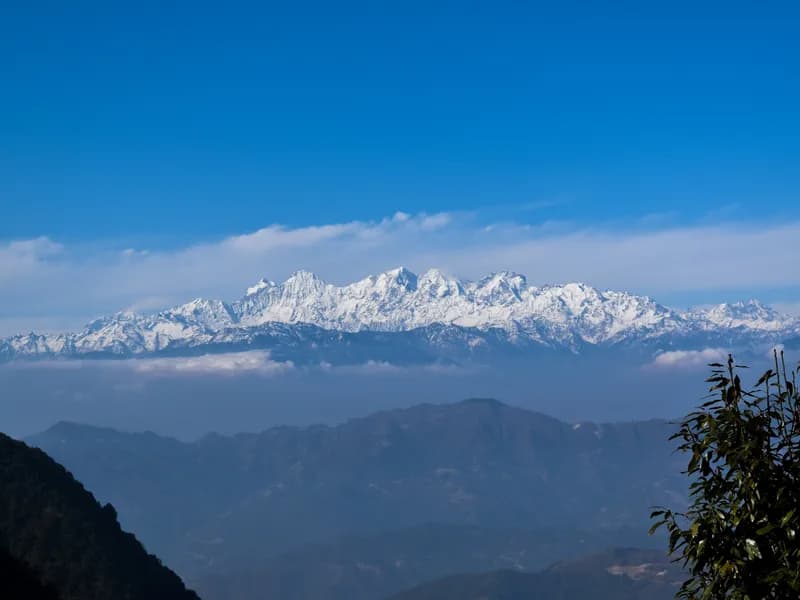
Lower Tsum, around Chumling, is green and terraced, with views towards Ganesh Himal. Above Chhokangparo the valley opens out into wide, dry fields at over 3,000 m. The walk passes Milarepa's cave, linked to the eleventh-century Tibetan poet-saint, and Rachen Gompa nunnery, and reaches Mu Gompa at about 3,700 m near the head of the valley. Most itineraries return the same way down the gorge.
It suits trekkers who want a culturally rich, quieter route without crossing a high pass. The highest point is modest by Himalayan standards, but the lower gorge involves long, hot days with plenty of climbing. Because it is a restricted area, the trek is arranged through a registered agency with a licensed guide; licence-verified guides you contact directly can explain how they handle the permits and the route.
🌟 Trail Highlights
- Mu Gompa near the head of the valley, at about 3,700 m
- Milarepa's cave and Rachen Gompa nunnery
- Tibetan Buddhist villages with mani walls and chortens
- The Budhi Gandaki gorge, shared with the Manaslu Circuit
- Views of Ganesh Himal from lower Tsum
- A restricted valley that sees relatively few trekkers
Tsum Valley Trek itinerary
- Day 1
Kathmandu to Machha Khola
A long drive west and then north via Arughat and Soti Khola, with the last stretch on a rough road along the Budhi Gandaki. Machha Khola is a riverside village with simple lodges.
- Day 2
Machha Khola to Jagat
Follow the Budhi Gandaki upstream past Tatopani's hot springs, crossing the river on suspension bridges. Jagat is the checkpoint for the conservation area permit.
- Day 3
Jagat to Lokpa
Continue to Philim, then leave the Manaslu trail and turn east into the Tsum at Lokpa. The restricted-area permit is checked as you enter the valley.
- Day 4
Lokpa to Chumling
A steep climb through forest above the Shiar Khola gorge before the trail drops to cross the river. Chumling is the main village of lower Tsum, with terraced fields and views towards Ganesh Himal.
- Day 5
Chumling to Chhokangparo
The valley widens as you climb above 3,000 m for the first time into upper Tsum. Chhokangparo is made up of two settlements, Chhekam and Paro, on a flat stretch of the valley floor.
- Day 6
Chhokangparo to Nile, via Milarepa's cave
Walk up the valley past mani walls and chortens, visiting Rachen Gompa nunnery and Milarepa's cave. Nile (also called Chhule) is the last village on the western side of the Shiar Khola.
- Day 7
Nile to Mu Gompa
A gentle climb to Mu Gompa, the largest monastery in the valley, set in open, dry country near the Tibetan border. Spend the afternoon at the monastery and acclimatising.
- Day 8
Mu Gompa to Chhokangparo
Begin the return down the valley, with time for any monasteries or caves missed on the way up. The walk is mostly downhill on familiar trail.
- Day 9
Chhokangparo to Lokpa
Descend back through Chumling and the gorge to Lokpa at the mouth of the valley. It is a long day with a steep section above the Shiar Khola.
- Day 10
Lokpa to Philim
Rejoin the Budhi Gandaki trail and walk down to Philim, a Gurung village above the river. The afternoon is free to rest.
- Day 11
Philim to Machha Khola
Retrace the gorge past Jagat and Tatopani back to Machha Khola. The trail is hot and exposed in places, so start early.
- Day 12
Machha Khola to Kathmandu
Drive back down the Budhi Gandaki and across to Kathmandu. The rough road section is slow, so expect most of the day in the vehicle.
This trek climbs above 3,000 m, where the pace of the climb matters. See our guide to altitude sickness on Nepal treks for how to prevent, spot and respond to it.
Best time to trek
The best months for the Tsum Valley Trek are Mar–May, Sep–Nov.
- Jan
- Feb
- Mar
- Apr
- May
- Jun
- Jul
- Aug
- Sep
- Oct
- Nov
- Dec
How does it compare with other routes? See our month-by-month guide to trekking in Nepal.
Permits & costs
- Permit & park fees
- US$40 + NPR 5,000 per person (≈ US$72 in total)
- Area
- Restricted: a special permit is required
- Guide day rates
- $25–$40 per day, set by the guides below
- Tsum Valley Restricted Area Permit: the Nepal Tourism Board defines the zone as the villages from Sirdibas through Lokpa, Chumling, Chhokangparo and Nile to Chule. In autumn (September–November) it costs USD 40 per person for the first 7 days, or USD 30 for those days the rest of the year, and each further day adds USD 7.
- Manaslu Conservation Area Permit (MCAP): NPR 3,000 (about USD 19); expect it to be checked at Jagat on the walk in.
- TIMS card: NPR 2,000 (about USD 13), bought by your agency.
- Applying: a registered agency obtains the Tsum permit from the Department of Immigration, and you trek with a licensed guide. Since 22 March 2026 one person can travel alone on the permit; until then the minimum was two.
- No Annapurna permit on this route: you walk back out down the Budhi Gandaki. If you add the Manaslu Circuit and cross the Larkya La, add ACAP (NPR 3,000, about USD 19) and the Manaslu restricted permit.
- Restricted-permit rates are set in US dollars and revised from time to time, so get the current figure from your agency.
Every fee and rule, trek by trek: our guide to Nepal trekking permits. Which routes need a licensed guide: do you need a guide to trek in Nepal? What a day rate covers, tips and flights: how much a trekking guide costs in Nepal.
Getting there & back
Trail update, October 2026: around 11 October a flood on the Budhi Gandaki swept away bridges, including the road bridge at Soti, and destroyed sections of the trail between Jagat and Philim, the way into this route. More than 100 trekkers were stranded near Jagat and some were flown out by helicopter. No reopening date had been announced as of 20 October, so check the state of the route with your guide before you book.
Machha Khola is reached by road from Kathmandu via Arughat and Soti Khola, usually 8–10 hours by private jeep or longer by local bus; the last section is a rough dirt road that can be blocked by landslides in the monsoon. The return is the same road, so allow a spare day at the end.
📸 Trail Checkpoints & Scenery Gallery

Tsum Valley Trek FAQs
How difficult is the Tsum Valley Trek?
It is a moderate trek with no high pass. The hardest days are in the Budhi Gandaki gorge and the climb from Lokpa to Chumling, which involve long ascents and descents in warm conditions. Good general fitness and experience of full days on foot are enough.
Is altitude sickness a concern?
The highest point is Mu Gompa at about 3,700 m, so the risk is lower than on the major passes, but it is still possible above 3,000 m. The itinerary gains height gradually from Chumling; drink plenty, ascend slowly and tell your guide about any symptoms.
Do I need a guide and a permit for Tsum Valley?
Yes. The Tsum permit is a restricted-area permit, so your agency obtains it and a licensed guide has to be with you from the start. You no longer need a second trekker: since 22 March 2026 the permit can be issued to one person. What you cannot do is walk the valley independently.
How much do the permits cost?
For the days inside the Tsum zone you pay USD 40 for the first week in September–November, or USD 30 at other times, then USD 7 a day. The Manaslu Conservation Area Permit adds NPR 3,000 (about USD 19) and the TIMS card NPR 2,000 (about USD 13). Your agency will quote the total for your dates.
When is the best time to go?
March–May and late September–November bring the most settled weather. Upper Tsum lies partly in a rain shadow, but the lower gorge is wet and prone to landslides in the monsoon, and winter is cold in the upper valley.
What is accommodation like?
There are simple teahouses and homestays throughout the valley, with basic rooms, shared toilets and dal bhat as the staple meal. Facilities are more limited than on the Manaslu Circuit, and some nights may be in family-run homestays rather than lodges.
Can Tsum Valley be combined with the Manaslu Circuit?
Yes. Instead of returning down the Budhi Gandaki you can continue from Philim up the Manaslu Circuit over Larkya La, which adds about a week. That needs the Manaslu restricted area permit and the Annapurna Conservation Area Permit as well.
Guides who lead the Tsum Valley Trek
Every one of them is licence-verified by our compliance team. Open a profile to read about them, then send your dates — they reply to you directly with their own price.