Ganesh Himal Trek at a glance
How the grades compare across routes: Nepal trek difficulty grades explained.
Overview
The Ganesh Himal trek, usually sold as the Ruby Valley trek, crosses the hills between the Langtang and Manaslu regions, west of Syabrubesi. It is a village trek more than a mountain trek: the route links Tamang and Gurung settlements such as Gatlang, Somdang, Tipling and Khading, with homestays and small lodges instead of the teahouse strings of better-known routes.
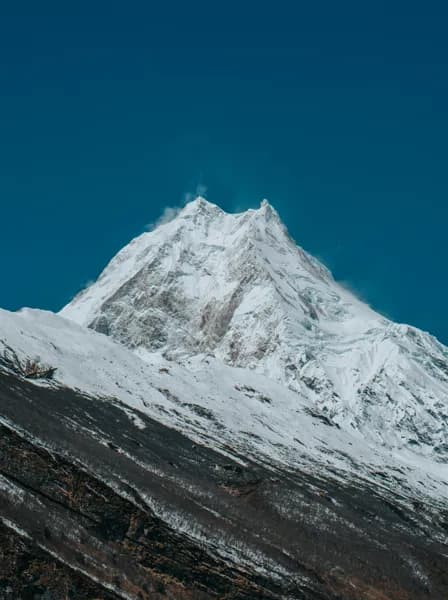
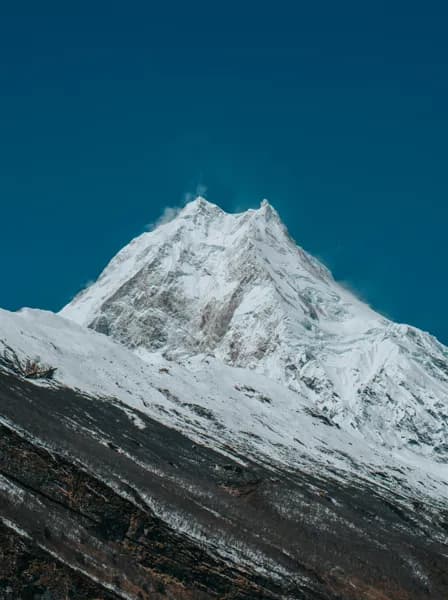
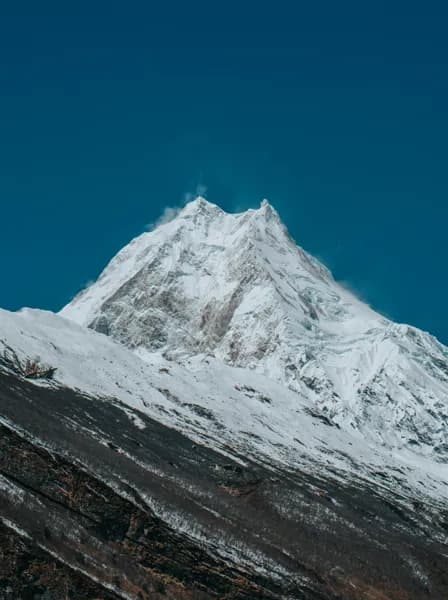
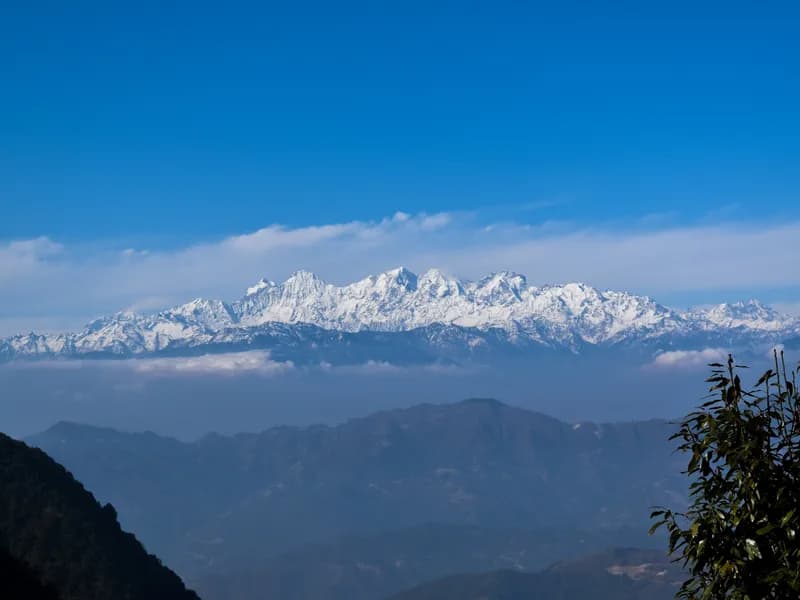
The name comes from the semi-precious stones once mined in the hills near Somdang. The scenery is terraced farmland, forests of pine and rhododendron and high summer pastures, and the day over Pangsang La (about 3,842 m) gives the trek's widest mountain view: the Ganesh Himal massif close by, with Manaslu and Langtang on either side on clear mornings.
Because the high point stays below 4,000 m, altitude is less of a concern than on the classic routes, but the days are long and the trail climbs and descends constantly between valleys. Facilities are simple, and some stretches see few other trekkers. It suits people who want a quieter route with a strong focus on village life, or who have already walked Langtang or Annapurna.
Licence-verified guides you contact directly can arrange homestays and translate along the way, which matters more here than on busier trails.
🌟 Trail Highlights
- Crossing Pangsang La at about 3,842 m with views of the Ganesh Himal
- Tamang village of Gatlang with its traditional stone houses
- Parvati Kunda, a lake sacred to local Hindu and Buddhist communities
- Somdang, the old mining settlement that gave Ruby Valley its name
- Homestays in Tamang and Gurung villages such as Tipling and Khading
- A quiet route between the Langtang and Manaslu regions
Ganesh Himal Trek itinerary
- Day 1
Kathmandu to Syabrubesi
Drive north via Trishuli Bazaar and Dhunche to Syabrubesi; your Langtang National Park permit is checked at the Dhunche checkpoint on the way.
- Day 2
Syabrubesi to Gatlang
Climb west out of the Bhote Koshi valley through farmland and forest to Gatlang, a large Tamang village of stone houses with carved wooden windows. A homestay here is often the first introduction to Tamang hospitality.
- Day 3
Gatlang to Somdang
Pass Parvati Kunda, a small sacred lake, then climb through pine and rhododendron forest to Yuri Kharka before descending to Somdang. Somdang sits in a high valley below the Ganesh Himal and was once a mining settlement.
- Day 4
Somdang over Pangsang La to Tipling
A steady climb of about three hours brings you to Pangsang La (about 3,842 m) and its wide view of the Ganesh Himal, Manaslu and Langtang ranges. The long descent to the Tamang and Gurung village of Tipling makes this the longest day.
- Day 5
Tipling to Chalish Gaun
Cross the river below Tipling and climb to Chalish Gaun, a Gurung and Tamang village on an open hillside. The afternoon leaves time to walk around the village fields.
- Day 6
Chalish Gaun to Khading
Follow terraced hillsides and small streams to Khading, known for its hot spring a short walk below the village. Homestays here are simple family houses.
- Day 7
Rest and village day at Khading
A spare day to rest tired legs, visit the hot spring and see daily life in the village. It also absorbs a delay if weather or trail conditions slowed you earlier.
- Day 8
Khading to Lower Borang
Descend through farmland and forest towards the road head at Borang or Jharlang, depending on current road access.
- Day 9
Drive to Dhading Besi and Kathmandu
A rough jeep road leads down to Dhading Besi, then a better road continues to Kathmandu. Allow the whole day.
This trek climbs above 3,000 m, where the pace of the climb matters. See our guide to altitude sickness on Nepal treks for how to prevent, spot and respond to it.
Best time to trek
The best months for the Ganesh Himal Trek are Mar–May, Oct–Nov.
- Jan
- Feb
- Mar
- Apr
- May
- Jun
- Jul
- Aug
- Sep
- Oct
- Nov
- Dec
How does it compare with other routes? See our month-by-month guide to trekking in Nepal.
Permits & costs
- Permit & park fees
- NPR 5,000 per person (≈ US$32)
- Guide day rates
- $25–$35 per day, set by the guides below
- Langtang National Park (NPR 3,000, about USD 19): Ruby Valley itself lies mostly outside the park, but the permit is asked for at the Dhunche checkpost on the road to Syabrubesi.
- TIMS card (NPR 2,000, about USD 13): the Nepal Tourism Board lists the Ganesh Himal – Ruby Valley trek among the routes that need a licensed guide and an agency-issued card.
- Restricted area nearby: Rasuwa's restricted zone (USD 20 per week) covers the Thuman and Timure border villages. The Gatlang–Somdang–Pangsang La route stays clear of it; ask your agency if your itinerary adds those villages.
- Fees change; confirm current rates before you travel.
Every fee and rule, trek by trek: our guide to Nepal trekking permits. Which routes need a licensed guide: do you need a guide to trek in Nepal? What a day rate covers, tips and flights: how much a trekking guide costs in Nepal.
Getting there & back
Road update, October 2026: floods on 26 August swept away the road bridges at Betrawati and Syabrubesi, so the usual start at Syabrubesi is cut off by road. The trekking agencies' association has advised reaching the Ganesh Himal area from Dhading Besi instead. Ask your guide how they would run the route this season before you arrange transport.
You start in Rasuwa and finish in Dhading, so the trek is a one-way crossing rather than a loop: drive to Syabrubesi on day one (7–9 hours via Trishuli Bazaar and Dhunche), then walk west over Pangsang La. At the far end a rough jeep road from Borang or Jharlang links to Dhading Besi and on to Kathmandu, about a day's drive. New tracks keep moving the road head, so confirm with your guide where the walking ends.
📸 Trail Checkpoints & Scenery Gallery

Ganesh Himal Trek FAQs
Why is it called Ruby Valley?
The name comes from the semi-precious stones once mined in the hills around Somdang, including rubies and crystals. Mining has largely stopped, but the name stuck to the trekking route.
Is the Ruby Valley trek suitable for beginners?
The high point is only about 3,842 m, so altitude is less of an issue than on Langtang or Everest. The challenge is the long, up-and-down days between villages. Fit beginners who are happy with simple homestays usually manage well.
What is accommodation like on this trek?
Mostly homestays and small family lodges. Rooms are basic, meals are dal bhat and local dishes, and hot showers are not guaranteed. The upside is close contact with Tamang and Gurung families.
Do I need the Rasuwa restricted-area permit?
The standard route via Gatlang, Somdang and Pangsang La does not enter the restricted Thuman and Timure area near the Tibet border, so the restricted permit is not usually needed. Ask your agency if your itinerary adds those villages.
Which mountains can I see from Pangsang La?
On a clear morning the Ganesh Himal massif fills the view, with Manaslu and the Annapurna peaks to the west and the Langtang range to the east. Cloud often builds by late morning, so an early start helps.
How is this different from the Tamang Heritage Trail?
Both start near Syabrubesi and visit Tamang villages such as Gatlang, but the Ruby Valley trek heads west over Pangsang La into Dhading, ending far from where it began. The Tamang Heritage Trail loops east towards the Tibet border and back to Syabrubesi.
Is there a hot spring on the route?
Yes, there is a natural hot spring near Khading, a short walk below the village. Many itineraries include a rest day there; check with your guide whether it is open and how busy it is.
Guides who lead the Ganesh Himal Trek
Every one of them is licence-verified by our compliance team. Open a profile to read about them, then send your dates — they reply to you directly with their own price.