Sikles Trek at a glance
How the grades compare across routes: Nepal trek difficulty grades explained.
Overview
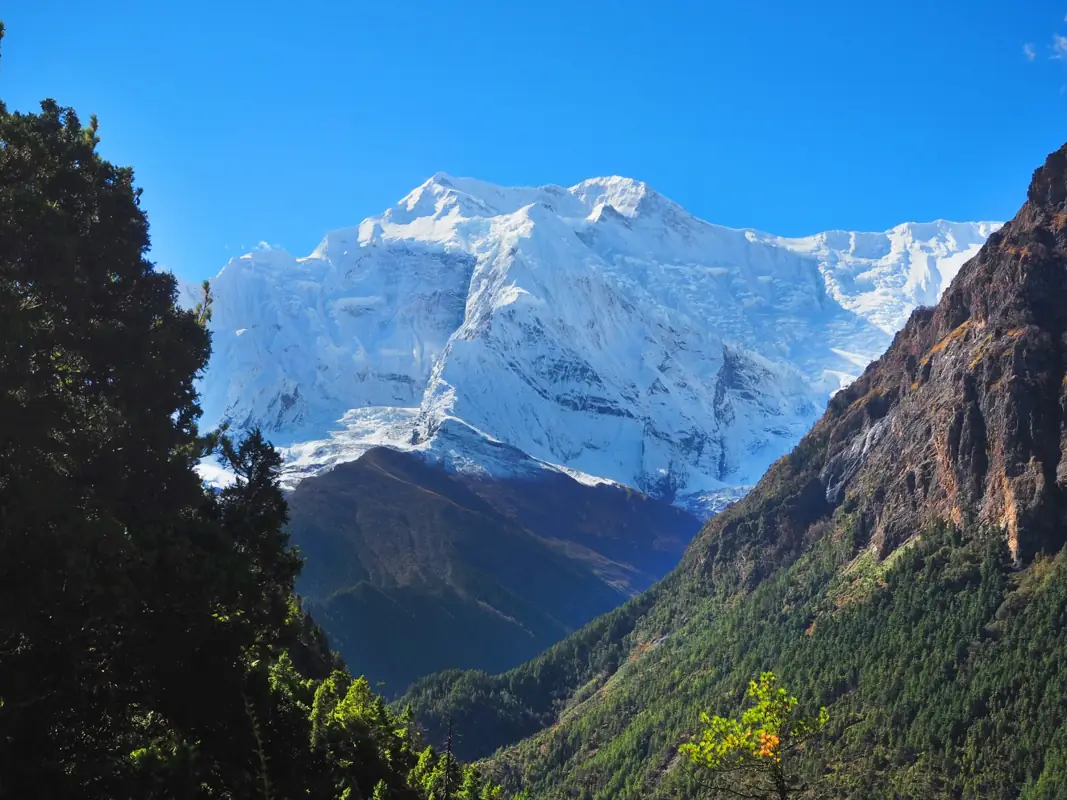
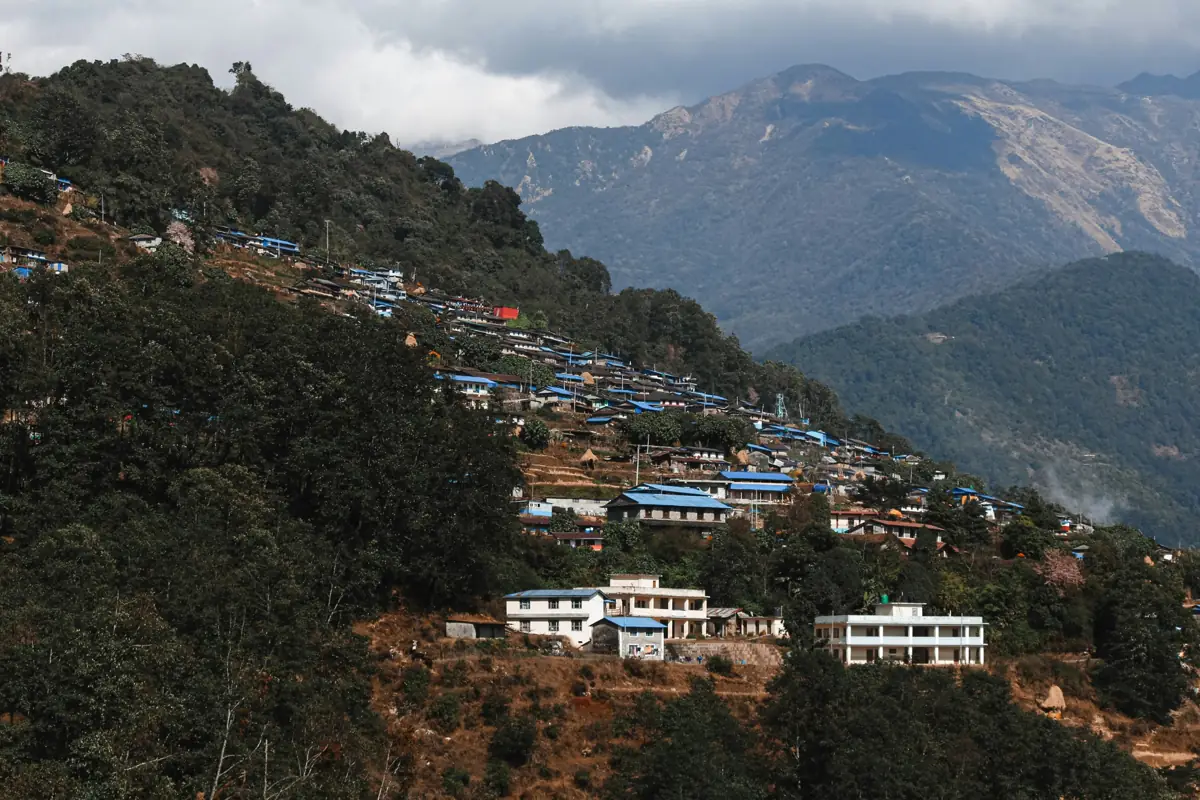
The Sikles Trek is a short route into the hills north of Pokhara, below the south face of Lamjung Himal and Annapurna II. A rough road climbs the Madi valley to Sikles, one of the largest Gurung villages in the Annapurna Conservation Area, where stone houses, flagged lanes and terraced millet fields spread across a steep slope.
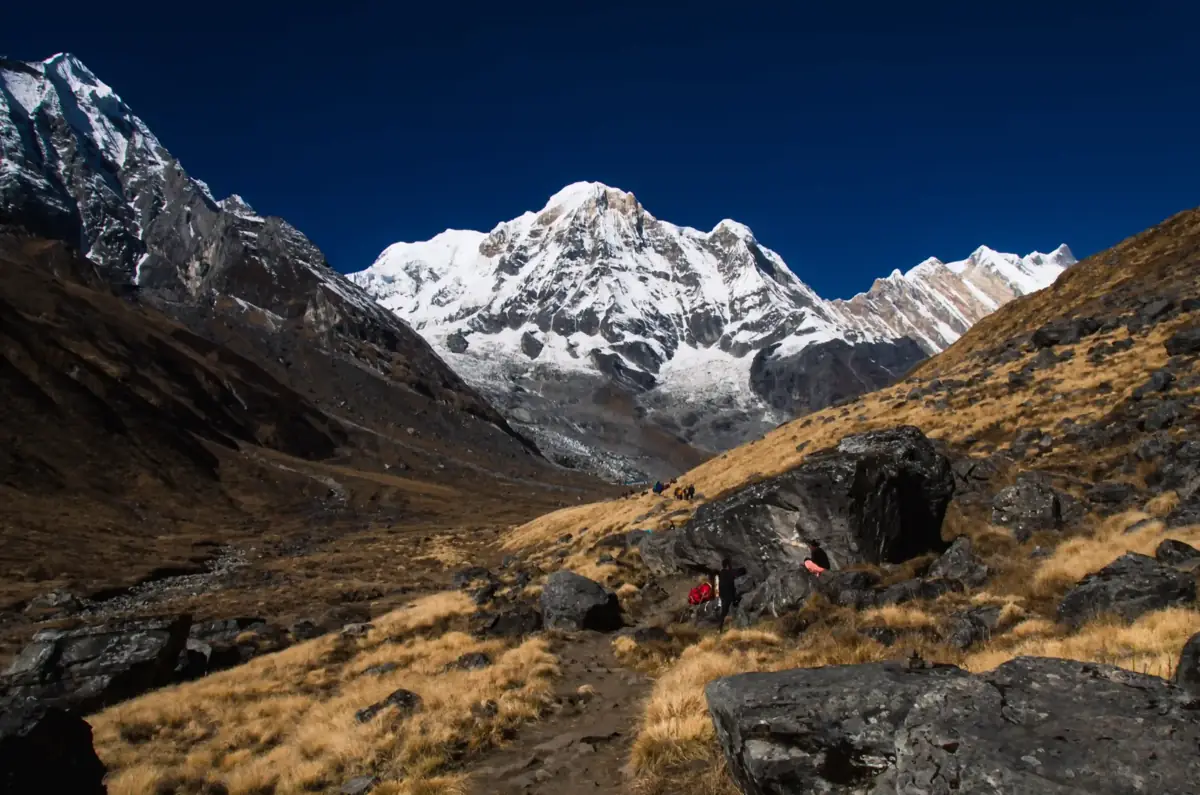
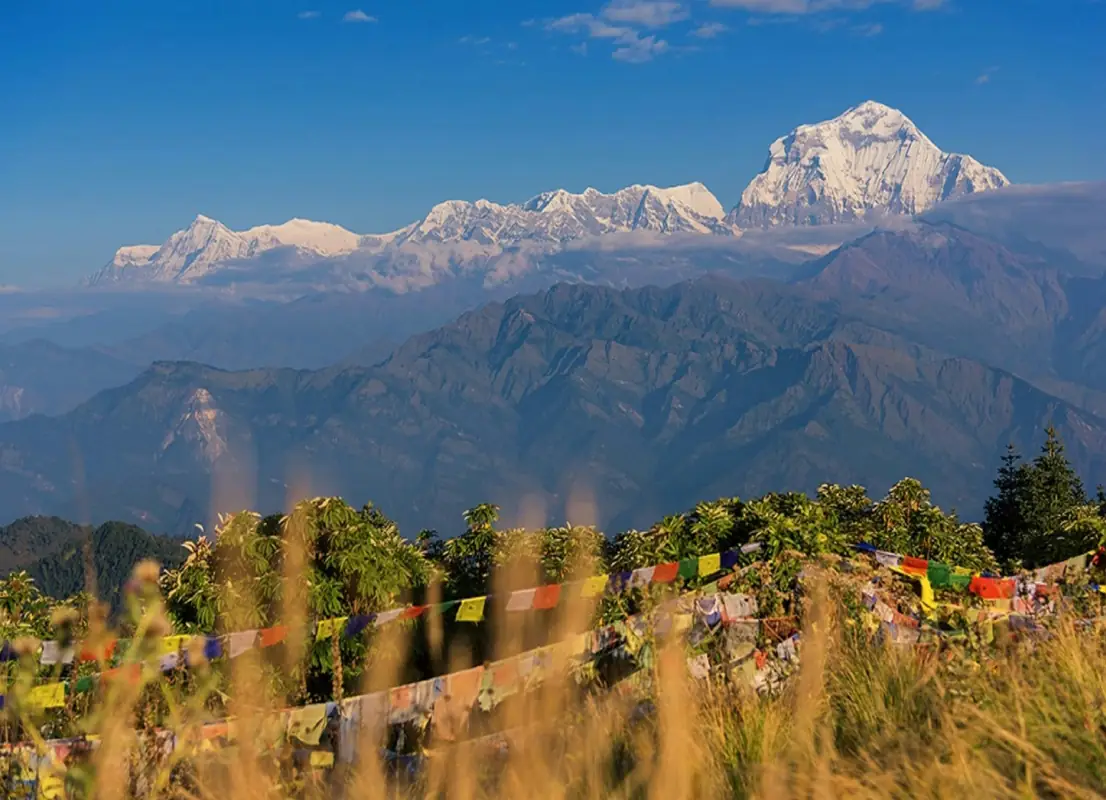
From Sikles the trail heads up the Madi Khola to Hugu Goth, a herders' clearing, and on to Kapuche Lake, a glacial lake at roughly 2,450–2,550 m fed by the ice falling from Lamjung Himal. It is a lake you reach early in the morning, before cloud fills the valley. The return loops through Tara Hill, a forested ridge with views back across the Annapurna and Lamjung peaks.
The altitudes are modest, so acclimatisation is not a concern, but some days are long and steep, and facilities above Sikles are basic: herders' shelters, simple teahouses or tents depending on the season and the operator. It suits trekkers who want village life and a quiet glacier lake within a week of Pokhara, without the busy Annapurna trails. Licence-verified guides you contact directly can tell you whether they camp at the lake or stay lower down.
🌟 Trail Highlights
- Stone lanes and terraced fields of Sikles, a large Gurung village
- Kapuche glacier lake below the Lamjung Himal icefall
- Morning views of Lamjung Himal and Annapurna II from the upper Madi valley
- Herders' clearings and forest at Hugu Goth
- Ridge views from Tara Hill on the way down
- Gurung homestays and food in Sikles
Sikles Trek itinerary
- Day 1
Pokhara to Sikles by jeep
The road leaves the Pokhara valley and follows the Madi Khola north; the final stretch is rough and usually needs a jeep, so allow two to five hours depending on the road. Settle into a homestay or teahouse in Sikles and walk the village lanes in the evening.
- Day 2
Sikles to Hugu Goth
The trail climbs out of the village through forest and pasture along the upper Madi valley, with Lamjung Himal ahead. Hugu Goth is a herders' clearing with very simple shelter, so your guide may arrange camping.
- Day 3
Hugu Goth to Kapuche Lake and back
An early start gets you to Kapuche Lake while the sky is clear, with ice and avalanche debris from Lamjung Himal around its edge. Spend time at the lake, then return to Hugu Goth.
- Day 4
Hugu Goth to Sikles
Retrace the trail down the valley to Sikles. The afternoon is free to visit the village's small museum area, watch farm work or try Gurung food.
- Day 5
Sikles to Tara Hill
Climb through forest and grazing land to the Tara Hill ridge, where the view opens across the Annapurna and Lamjung ranges. Overnight in a simple lodge or camp on the ridge.
- Day 6
Tara Hill to the road and back to Pokhara
Descend through villages to the road head and drive back to Pokhara in the afternoon.
Best time to trek
The best months for the Sikles Trek are Mar–Apr, Oct–Nov.
- Jan
- Feb
- Mar
- Apr
- May
- Jun
- Jul
- Aug
- Sep
- Oct
- Nov
- Dec
How does it compare with other routes? See our month-by-month guide to trekking in Nepal.
Permits & costs
- Permit & park fees
- NPR 5,000 per person (≈ US$32)
- Guide day rates
- $25–$40 per day, set by the guides below
- ACAP: NPR 3,000 (about USD 19), or NPR 1,000 for SAARC nationals. Sikles and Kapuche Lake are on the southern edge of the Annapurna Conservation Area, in the Madi valley.
- TIMS card: NPR 2,000 (about USD 13). The Nepal Tourism Board names the Sikles (Sikleh) Tara Hill trek on its list of routes needing a licensed guide, so the card comes from the agency providing your guide.
- Checks: the ACAP is checked in the Madi valley on the drive in, and you may be asked again in Sikles village. Few trekkers come this way, so buy permits in Pokhara rather than hoping to find an office on the road.
- Amounts can change; your agency will confirm the current rate.
Every fee and rule, trek by trek: our guide to Nepal trekking permits. Which routes need a licensed guide: do you need a guide to trek in Nepal? What a day rate covers, tips and flights: how much a trekking guide costs in Nepal.
Getting there & back
Everything runs from Pokhara. Sikles is about 50 km to the north, and the last stretch is a rough dirt road, so groups normally hire a jeep; allow two to five hours depending on the season, and expect delays after heavy rain. The Tara Hill descent rejoins the road lower in the valley, close enough to be back in Pokhara the same evening.
📸 Trail Checkpoints & Scenery Gallery

Sikles Trek FAQs
How difficult is the Sikles Trek?
It is an easy-to-moderate trek. The altitudes stay below about 2,600 m, but the climbs from Sikles to Hugu Goth and up to Tara Hill are steep, and the lake day starts early. Reasonable fitness for five to six hours of hill walking is enough.
Where do I sleep on this trek?
Sikles has homestays and simple teahouses. Above the village, at Hugu Goth and near Kapuche Lake, facilities are minimal, so many operators camp; others use herders' shelters. Ask your guide which they use before you book.
How high is Kapuche Lake?
Published figures range from about 2,450 m to about 2,550 m. Either way it is low enough that altitude sickness is rarely an issue, but the lake sits right below the Lamjung Himal icefall, so stay back from the shore where ice falls into the water.
Do I need a guide for the Sikles Trek?
Yes. Although it is a quiet, short trek, Sikles is inside the Annapurna Conservation Area and is named on the Nepal Tourism Board's list of routes that need a licensed guide and an agency-issued TIMS card. Above the village the trails to Hugu Goth and the lake are faint and lightly used, which is another reason to go with someone local.
When is the best time to go?
Autumn, especially October and November, for the clearest mountain views. March and April bring rhododendrons on the slopes above Sikles. From June to September the jeep road is unreliable and the trails are leech-prone.
Can I combine the trek with Pokhara sightseeing?
Yes. Because it starts and ends in Pokhara and takes about six days, it fits easily before or after time on Phewa Lake or a paragliding flight. Keep a spare day in case the road to Sikles is slow.
What makes Sikles different from Ghandruk or Ghorepani?
Sikles sees far fewer trekkers. It is a working Gurung village rather than a teahouse stop, and the trail beyond it leads to a glacier lake instead of a viewpoint hill, so the trek feels quieter and more remote for its length.
Guides who lead the Sikles Trek
Every one of them is licence-verified by our compliance team. Open a profile to read about them, then send your dates — they reply to you directly with their own price.