Pikey Peak Trek at a glance
How the grades compare across routes: Nepal trek difficulty grades explained.
Overview
Pikey Peak is a 4,065 m hill in the lower Solukhumbu district, south-west of the Everest region, known for a long view of the eastern Himalaya: Everest, Lhotse, Makalu, Kanchenjunga and the Numbur range on a clear morning. The peak is sacred to the local Sherpa community, and its summit is strung with prayer flags.
The trek reaches it without a flight to Lukla. A road from Kathmandu runs to Dhap, and from there the route climbs through rhododendron and pine forest, yak pastures and small settlements to the base of the peak, then descends via Junbesi, a Sherpa village with an old monastery, before returning by road from Phaplu or Salleri. Lodges are simpler and fewer than in the Khumbu, and some are seasonal.
It suits trekkers with a week who want Himalayan panoramas and village culture away from the busy Everest trail, and anyone wary of mountain flights. The altitude is moderate, so a careful pace is still wise near the top. Licence-verified guides you contact directly can tell you which lodges are open and plan the timing for the summit sunrise.
🌟 Trail Highlights
- Sunrise view of Everest, Lhotse, Makalu and Kanchenjunga from Pikey Peak
- Prayer-flagged summit sacred to the local Sherpa community
- Junbesi village and its monastery
- Rhododendron forests that flower in spring
- No Lukla flight: road access from Kathmandu
- Quiet trails with few other trekkers
Pikey Peak Trek itinerary
- Day 1
Kathmandu to Dhap
A long drive east and then north through the hills brings you to Dhap, the usual roadhead for the trek. Road conditions vary with the season.
- Day 2
Dhap to Jhapre
A gentle walk through forest and pasture to Jhapre, a small settlement at the foot of the Pikey ridge. The short day helps you adjust to the altitude.
- Day 3
Jhapre to Pikey Base Camp
Climb steadily through rhododendron and pine forest and open yak pasture to the lodges below the peak. Afternoon views open up toward the Numbur and Everest ranges.
- Day 4
Pikey Peak summit, then to Junbesi
Start before dawn to reach the summit at about 4,065 m for sunrise over the eastern Himalaya. Return to base camp for breakfast, then descend through forest to Junbesi.
- Day 5
Rest and explore Junbesi
A spare day in Junbesi to visit the monastery and walk to nearby Thupten Chholing gompa. It also gives slack in case weather delays the summit morning.
- Day 6
Junbesi to Phaplu
Walk over a low ridge and down through villages and farmland to Phaplu, a small town with an airstrip and road connections.
- Day 7
Phaplu to Kathmandu
Drive back to Kathmandu (most of a day), or take a short flight when available. Flights are weather-dependent, so keep the next day free.
This trek climbs above 3,000 m, where the pace of the climb matters. See our guide to altitude sickness on Nepal treks for how to prevent, spot and respond to it.
Best time to trek
The best months for the Pikey Peak Trek are Mar–May, Oct–Dec.
- Jan
- Feb
- Mar
- Apr
- May
- Jun
- Jul
- Aug
- Sep
- Oct
- Nov
- Dec
How does it compare with other routes? See our month-by-month guide to trekking in Nepal.
Permits & costs
- Permit & park fees
- NPR 2,000 per person (≈ US$13)
- Guide day rates
- $25–$40 per day, set by the guides below
- TIMS card: Pikey Peak is not on the Nepal Tourism Board's list of routes that require a TIMS card and a licensed guide. An agency may still issue one (NPR 2,000, about USD 13).
- Local rural-municipality entry fee: operators report a local fee of roughly NPR 2,000–3,000 collected in lower Solukhumbu; confirm the current amount with your agency.
- The standard route from Dhap to Junbesi stays outside Sagarmatha National Park, so its park permit is usually not needed; Gaurishankar Conservation Area fees apply only if you start from Jiri.
- A licensed guide is strongly recommended; rules outside national parks and conservation areas are applied less consistently.
- Fees change; confirm current rates before you travel.
Every fee and rule, trek by trek: our guide to Nepal trekking permits. Which routes need a licensed guide: do you need a guide to trek in Nepal? What a day rate covers, tips and flights: how much a trekking guide costs in Nepal.
Getting there & back
Most groups drive from Kathmandu to Dhap, a full day on hill roads, and finish at Phaplu or Salleri, which are a day's drive back or a short, weather-dependent flight. A longer start from Jiri is also possible. Roads in lower Solukhumbu are being extended and can be rough after rain, so allow a spare day.
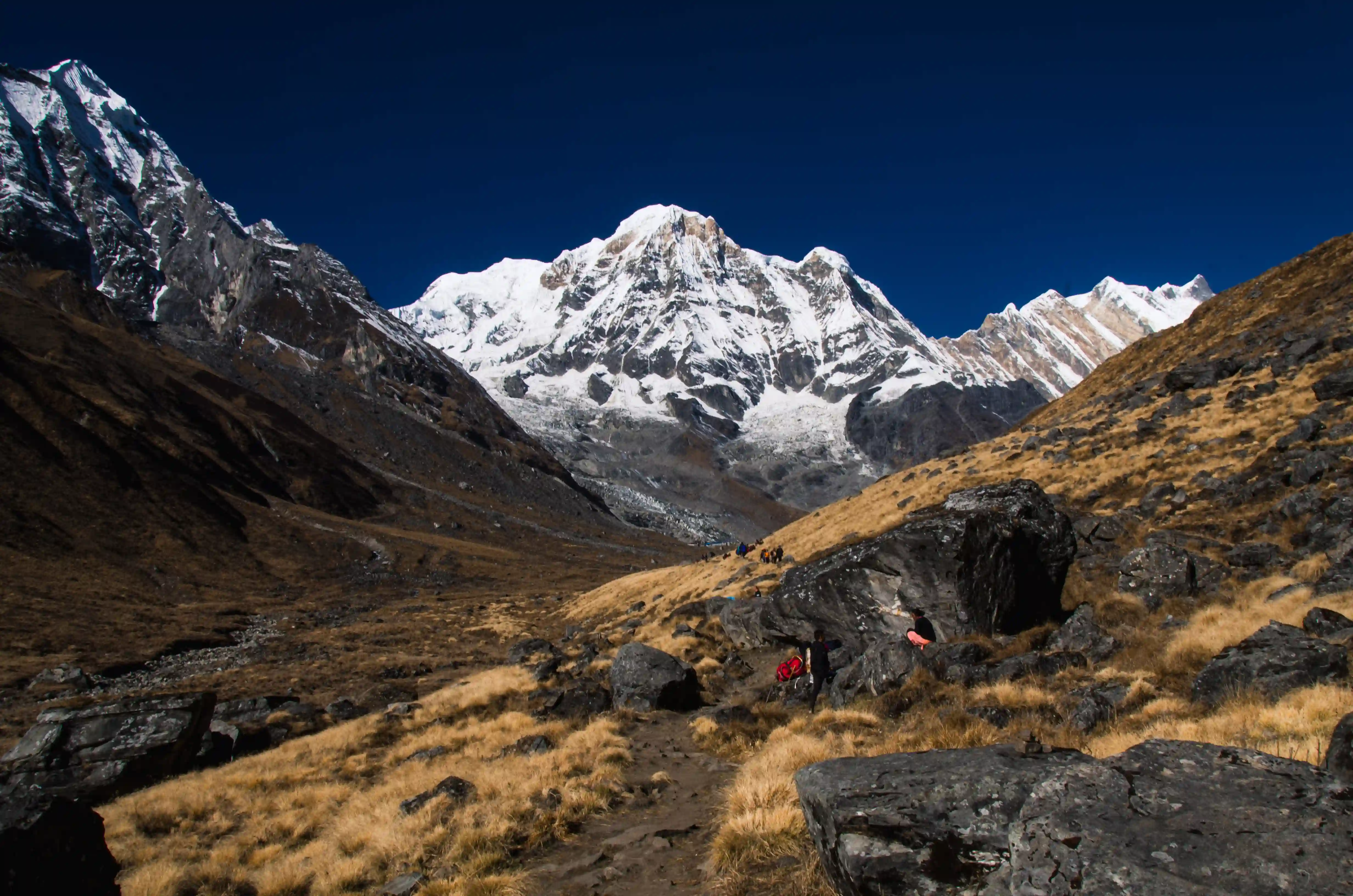
📸 Trail Checkpoints & Scenery Gallery
Pikey Peak Trek FAQs
How difficult is the Pikey Peak Trek?
It is a moderate trek. Days are three to seven hours, with one early, steep morning to the summit. There are no technical sections, so walkers with good general fitness can manage it.
Will the altitude affect me?
Only the last stretch is high: the summit is about 4,065 m and the highest night is around 3,600 m, so a headache or breathlessness near the top is common and usually passes. The route climbs gradually from Dhap; keep drinking water and tell your guide early if symptoms build.
Can I really see Everest from Pikey Peak?
Yes, on a clear morning. The summit view takes in Everest, Lhotse and Makalu to the east and, in good conditions, Kanchenjunga far to the east. Clouds often build by mid-morning, which is why the climb starts before dawn.
Do I need a guide?
The route is outside Nepal's national parks, where the 2023 licensed-guide rule is applied most strictly, so enforcement here is less consistent. A guide is still strongly recommended: lodges are few and some are seasonal, and trails between villages are not always signed.
What permits do I need?
The walk from Dhap to Junbesi stays outside Sagarmatha National Park, so there is no park fee. Operators report a local rural-municipality charge of about NPR 2,000–3,000 in lower Solukhumbu. Pikey Peak isn't on the Nepal Tourism Board's TIMS-route list, although some agencies issue a card anyway. Local charges move, so get the current amount from your agency.
When is the best time to go?
October to December gives the clearest views. Spring (March to May) brings rhododendron flowers but more afternoon haze. Winter nights are cold at base camp.
Do I need to fly to Lukla?
No. The trek is reached by road from Kathmandu to Dhap and ends at Phaplu or Salleri. Phaplu has an airstrip with occasional flights to Kathmandu, which can save a day if the weather allows.
Guides who lead the Pikey Peak Trek
Every one of them is licence-verified by our compliance team. Open a profile to read about them, then send your dates — they reply to you directly with their own price.
Guides On
Languages
Guides On
Languages
More guides working in Everest
These guides haven't listed the Pikey Peak Trek specifically, but they work this region — ask them whether they lead it.