Langtang Valley and Gosainkunda Lake Trek at a glance
How the grades compare across routes: Nepal trek difficulty grades explained.
Overview
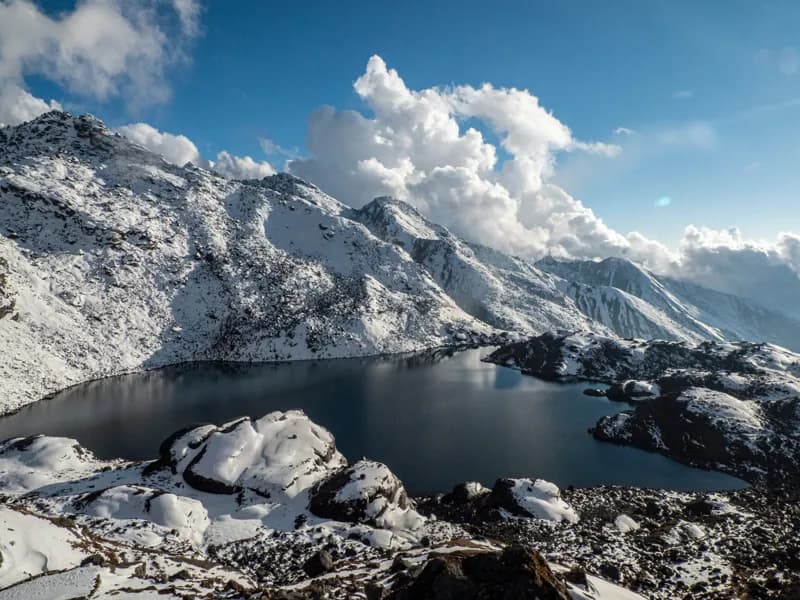
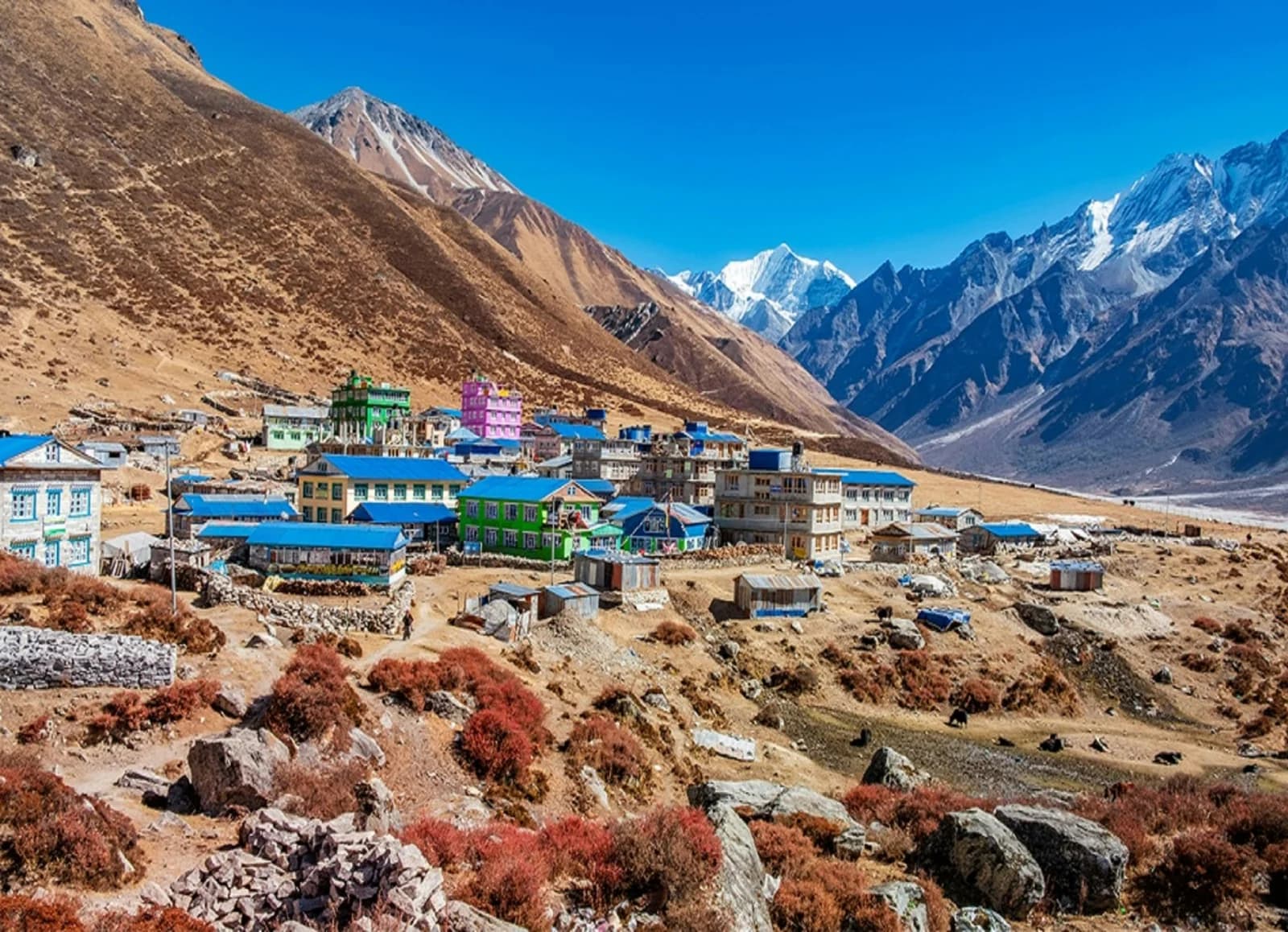
The Langtang Valley and Gosainkunda Trek joins two of the best-known walks north of Kathmandu into one loop. The first half follows the Langtang Khola from Syabrubesi through forest to Langtang village and Kyanjin Gompa, where a day on Kyanjin Ri (about 4,773 m) gives close views of Langtang Lirung and the peaks along the Tibetan border. The second half turns south and climbs from Thulo Syabru through Sing Gompa to the high lakes of Gosainkunda, about 4,380 m.
The two halves feel different. Langtang is a broad glacial valley of Tamang villages, yak pastures and mani walls, rebuilt after the 2015 earthquake. Gosainkunda is a cluster of glacial lakes sacred to Hindus and Buddhists, busy during the Janai Purnima festival in July or August and quiet for most of the year.
The route suits trekkers with good fitness who want variety without flights, since both ends are reached by road from Kathmandu. Teahouses are simple but regular. The climb to Gosainkunda is steep and gains height quickly, so the itinerary spends a night at Laurebina before the lakes. Licence-verified guides you contact directly can tell you how they pace the two halves and whether they add the crossing of Lauribina La to Helambu.
🌟 Trail Highlights
- Kyanjin Gompa and the view from Kyanjin Ri
- Tamang villages and mani walls in the Langtang valley
- The forest climb from Thulo Syabru to Sing Gompa
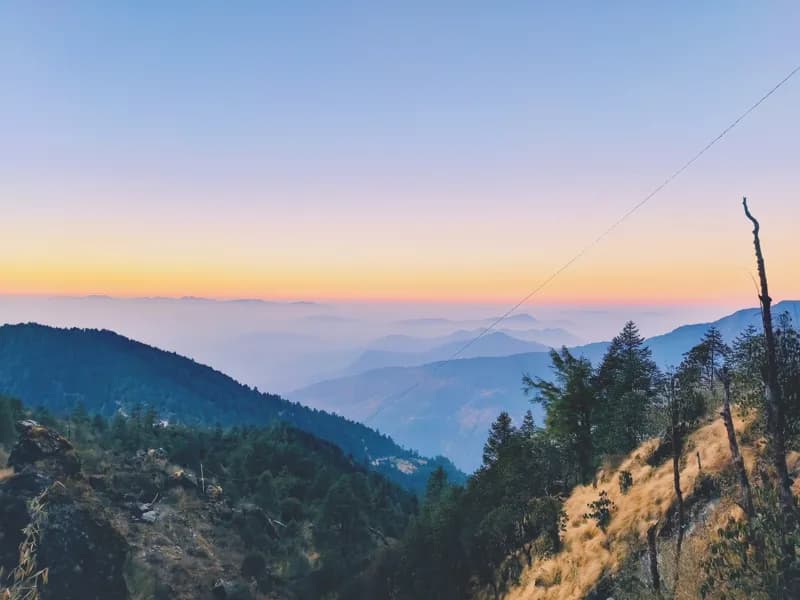
- Sunrise over the Ganesh Himal and Langtang ranges from Laurebina
- The sacred glacial lakes of Gosainkunda
- Two very different landscapes in one trek, reached by road from Kathmandu
Langtang Valley and Gosainkunda Lake Trek itinerary
- Day 1
Kathmandu to Syabrubesi
A long drive north via Trishuli Bazaar and Dhunche to the trailhead at Syabrubesi. The road is rough in places and slow in the monsoon.
- Day 2
Syabrubesi to Lama Hotel
Cross the Bhote Koshi and follow the Langtang Khola upstream through oak and rhododendron forest. The path climbs steadily with river crossings and small teahouse settlements.
- Day 3
Lama Hotel to Langtang village
The valley opens out past Ghora Tabela and the first views of Langtang Lirung. The trail passes yak pastures and water-driven prayer wheels before the rebuilt village of Langtang.
- Day 4
Langtang village to Kyanjin Gompa
A short day through Mundu and along mani walls to Kyanjin Gompa, the head of the trekking valley. The afternoon is free to rest and visit the monastery.
- Day 5
Kyanjin Ri and acclimatisation
An early climb to the summit of Kyanjin Ri, about 4,773 m, for views of Langtang Lirung, the Langtang glacier and peaks along the Tibetan border. Return to Kyanjin Gompa for the night.
- Day 6
Kyanjin Gompa to Lama Hotel
Retrace the valley down past Langtang village and Ghora Tabela. It is a long descent but mostly easy walking.
- Day 7
Lama Hotel to Thulo Syabru
Leave the main Langtang trail and follow a path along the hillside to Thulo Syabru, a Tamang village spread along a ridge with views back up the valley.
- Day 8
Thulo Syabru to Sing Gompa
A steady climb through forest to Sing Gompa, also called Chandanbari, with its small monastery and cheese factory. The gain in height is significant, so walk slowly.
- Day 9
Sing Gompa to Laurebina
A short climb above the tree line to the lodges at Laurebina. Stopping here helps acclimatisation before the lakes, and on clear evenings the Ganesh Himal and Langtang ranges line the horizon.
- Day 10
Laurebina to Gosainkunda
The trail traverses a steep slope past smaller lakes to Gosainkunda. Spend the afternoon walking around the lake, which is sacred to Hindus and Buddhists.
- Day 11
Gosainkunda to Dhunche
A long descent back past Laurebina and Sing Gompa, then down through forest to the roadhead town of Dhunche. Knees take most of the strain today.
- Day 12
Dhunche to Kathmandu
Drive back to Kathmandu, usually arriving in the afternoon.
This trek climbs above 3,000 m, where the pace of the climb matters. See our guide to altitude sickness on Nepal treks for how to prevent, spot and respond to it.
Best time to trek
The best months for the Langtang Valley and Gosainkunda Lake Trek are Mar–May, Oct–Nov.
- Jan
- Feb
- Mar
- Apr
- May
- Jun
- Jul
- Aug
- Sep
- Oct
- Nov
- Dec
How does it compare with other routes? See our month-by-month guide to trekking in Nepal.
Permits & costs
- Permit & park fees
- NPR 5,000 per person (≈ US$32)
- Guide day rates
- $25–$40 per day, set by the guides below
- Langtang National Park (NPR 3,000, about USD 19): one permit covers both halves of this trek, up the Langtang Khola to Kyanjin Gompa and over the ridge to the lakes; it is checked on the drive in at Dhunche and again at posts in the valley.
- TIMS card (NPR 2,000, about USD 13): the Nepal Tourism Board lists "Langtang Gosaikund Trek" among the routes that need a licensed guide and an agency-issued card.
- Extending over Lauribina La: walking out through Helambu to Sundarijal instead of descending to Dhunche adds the Shivapuri-Nagarjun National Park fee (NPR 1,000, about USD 6).
- Fees change; confirm current rates before you travel.
Every fee and rule, trek by trek: our guide to Nepal trekking permits. Which routes need a licensed guide: do you need a guide to trek in Nepal? What a day rate covers, tips and flights: how much a trekking guide costs in Nepal.
Getting there & back
Road update, October 2026: floods on 26 August swept away the road bridges at Betrawati and Syabrubesi. Jeeps have crossed a temporary bridge at Betrawati since 11 October, but Syabrubesi is still cut off by road, so treks currently start from Dhunche or Thulo Syabru and join the usual trail at Bamboo or Lama Hotel after about two days of walking. The trekking agencies' association reported the upper Langtang valley and Kyanjin safe for trekking. Confirm the current way in with your guide before you arrange transport.
This combination starts at Syabrubesi, the roadhead at the mouth of the Langtang Khola, 7–8 hours from Kathmandu by bus or less by jeep via Trishuli Bazaar. It ends higher up the same road at Dhunche, below the Gosainkunda trail, so the drive back is shorter than the drive in. Expect landslide delays on this road during the monsoon and plan a spare day at each end.
📸 Trail Checkpoints & Scenery Gallery

Langtang Valley and Gosainkunda Lake Trek FAQs
How difficult is the Langtang Valley and Gosainkunda Trek?
It is moderate to strenuous. The Langtang half is steady valley walking, while the climb from Thulo Syabru to Gosainkunda gains more than 2,000 m in three days and is steep in places. Good general fitness and some experience of multi-day walking are enough; there are no technical sections.
How do I avoid altitude sickness on this route?
The itinerary sleeps at Kyanjin Gompa for two nights before Kyanjin Ri, and stops at Laurebina before the lakes rather than climbing straight to Gosainkunda. Walk slowly, drink plenty of water and tell your guide early about headaches, nausea or poor sleep. If symptoms get worse, descend.
Do I need a guide for this trek?
Yes. Since 1 April 2023 foreign trekkers in Langtang National Park and other protected areas must trek with a licensed guide arranged through a registered agency. A guide also helps with the less obvious path between Lama Hotel and Thulo Syabru and with judging weather on the Gosainkunda climb.
What permits do I need?
You need the Langtang National Park entry permit (NPR 3,000) and, by most current accounts, a TIMS card (NPR 2,000), which the Nepal Tourism Board requires on this route along with a licensed guide. Your agency normally arranges both.
When is the best time to go?
March to May and October to November usually give the clearest views and most stable weather. Gosainkunda can see snow from December to March, which makes the upper trail hard going. The monsoon brings leeches, cloud and road disruption, and the lakes are crowded with pilgrims during the Janai Purnima festival in July or August.
What is accommodation like?
Teahouses run the whole way, with simple twin rooms and shared toilets. Lodges at Kyanjin Gompa and Sing Gompa are the most comfortable; those at Laurebina and Gosainkunda are basic and cold. Meals are usually dal bhat, noodles and potatoes, with yak cheese in Kyanjin and Sing Gompa.
Can I add Lauribina La and Helambu?
Yes. From Gosainkunda many trekkers cross Lauribina La (about 4,610 m) and walk out through Helambu to Sundarijal, which adds three or four days. It is a longer and more remote finish; discuss weather and fitness with your guide before choosing it.
Guides who lead the Langtang Valley and Gosainkunda Lake Trek
Every one of them is licence-verified by our compliance team. Open a profile to read about them, then send your dates — they reply to you directly with their own price.