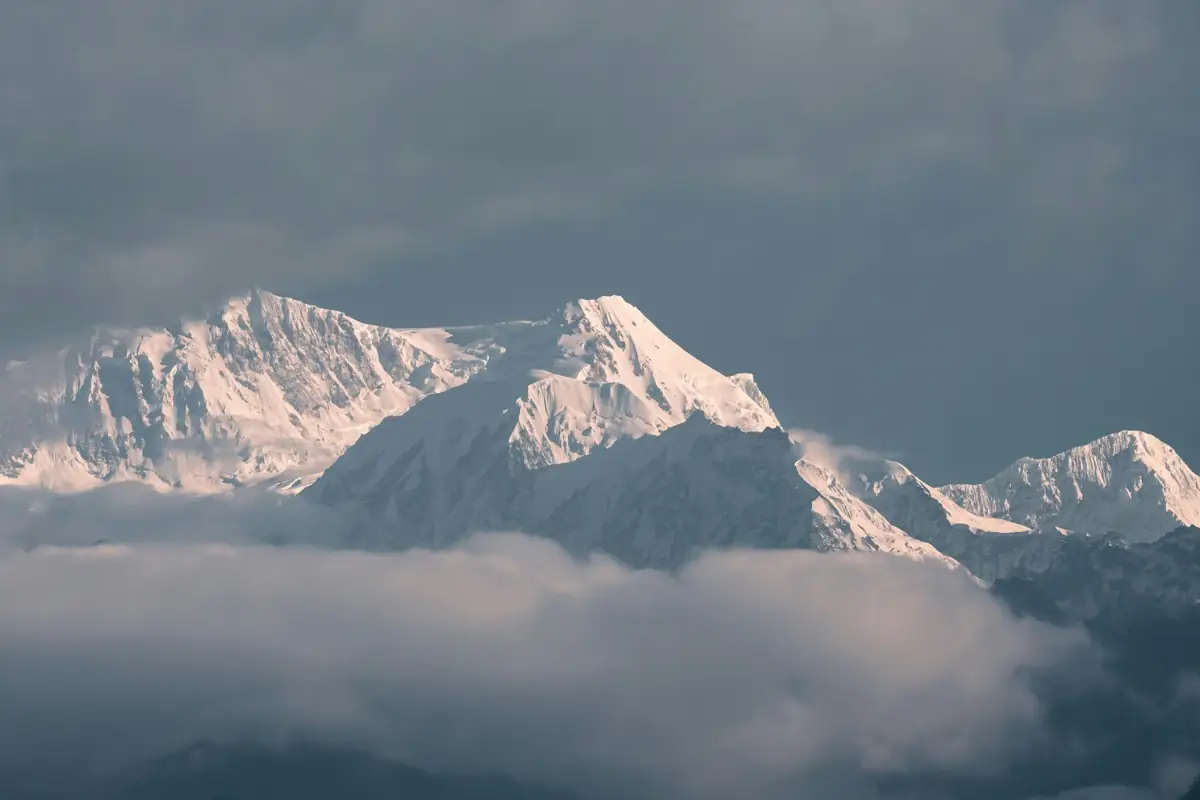
Kangchenjunga treks in far-eastern Nepal: north base camp at Pangpema, the south side at Oktang and the full circuit, with restricted permits and seasons.
Treks in Kangchenjunga
Find a licensed guide who works in the Kangchenjunga region and arrange your trek with them directly.
Trekking in the Kangchenjunga region
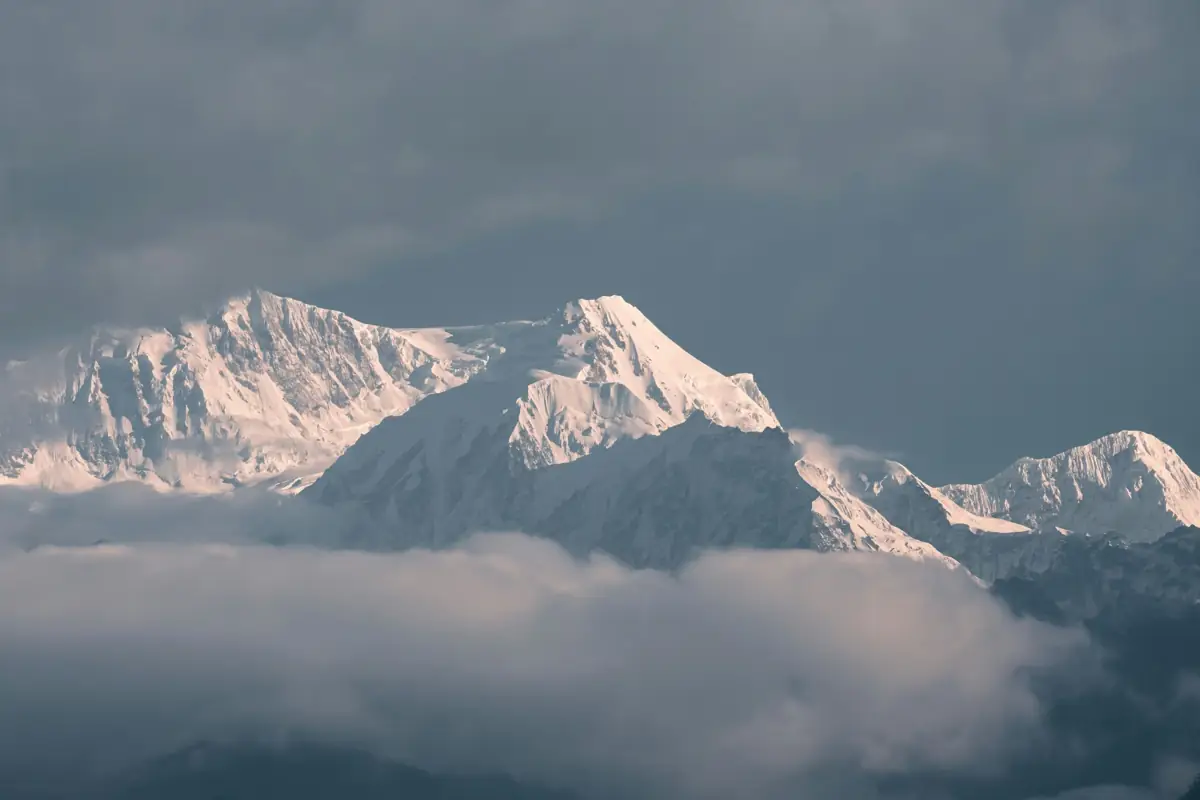
Kangchenjunga (8,586 m), the world's third-highest mountain, stands on the border between far-eastern Nepal and Sikkim in India. The Nepali side is protected by the Kangchenjunga Conservation Area, declared in 1997 and later extended to about 2,035 km². In September 2006 it became the first protected area in Nepal to be handed over to a council of local people to manage.
The treks here are long and remote. They start in Taplejung district, climb from terraced farmland and cardamom fields through rhododendron forest, and end among glaciers on both sides of the mountain, passing Limbu villages lower down and Tibetan Buddhist settlements such as Ghunsa higher up. Far fewer trekkers come here than to the Everest or Annapurna regions.
The treks
- Kangchenjunga Base Camp walks to one or both base camps: Pangpema on the north side, at about 5,143 m, beneath the mountain's north face, and Oktang, the viewpoint above the south base camp, at about 4,730 m.
- Kanchenjunga Circuit links the north and south sides over the passes between Ghunsa and Tseram (Selele La, Mirgin La and Sinion La) in a loop of three weeks or more.
Getting there
The usual route is a flight from Kathmandu to Bhadrapur, about 45–50 minutes, then a long day's drive to Taplejung. Flights to the closer Suketar airstrip run only a few times a week and are often suspended, so don't build a tight itinerary around them.
When to go
Like most high treks in Nepal, Kangchenjunga is best in spring and autumn. The passes on the circuit can be snowbound in winter, and the lower trails are wet and prone to landslides in the summer monsoon.
Permits and guides
Both treks enter restricted areas, so you need a Department of Immigration permit, at US$20 per person per week for the first four weeks and US$25 a week after that, plus the Kangchenjunga Conservation Area permit. Restricted permits are issued only through a registered agency with a licensed guide; since 22 March 2026 a single trekker can apply. Each trek page shows the total, and our Nepal trekking permits guide has the full rules.
Kangchenjunga Trekking FAQ
How many treks are in the Kangchenjunga region?
xTrekka currently features 2 treks in the Kangchenjunga region, ranging from 18–22 days in length and reaching up to 5,143 m.
How difficult are Kangchenjunga treks?
Kangchenjunga treks range across hard difficulty. Each trek page lists its difficulty grade, max altitude and daily itinerary so you can match a route to your experience.
Do I need special permits for Kangchenjunga?
Yes. Every Kangchenjunga trek listed here enters a restricted area, so on top of the park or conservation area fee you need a restricted-area permit, issued through a registered trekking agency with a licensed guide. Each trek page shows its permit fees in rupees with an approximate dollar figure. See our guide to Nepal trekking permits for every fee and rule.
When is the best time to trek in Kangchenjunga?
Most Kangchenjunga treks are best in Mar–May, Oct–Nov. Outside those months, expect monsoon rain from June to September and cold, snow-prone passes in winter. Each trek page shows its own best months. Compare every route in our month-by-month guide to trekking in Nepal.