Arun Valley Trek at a glance
How the grades compare across routes: Nepal trek difficulty grades explained.
Overview
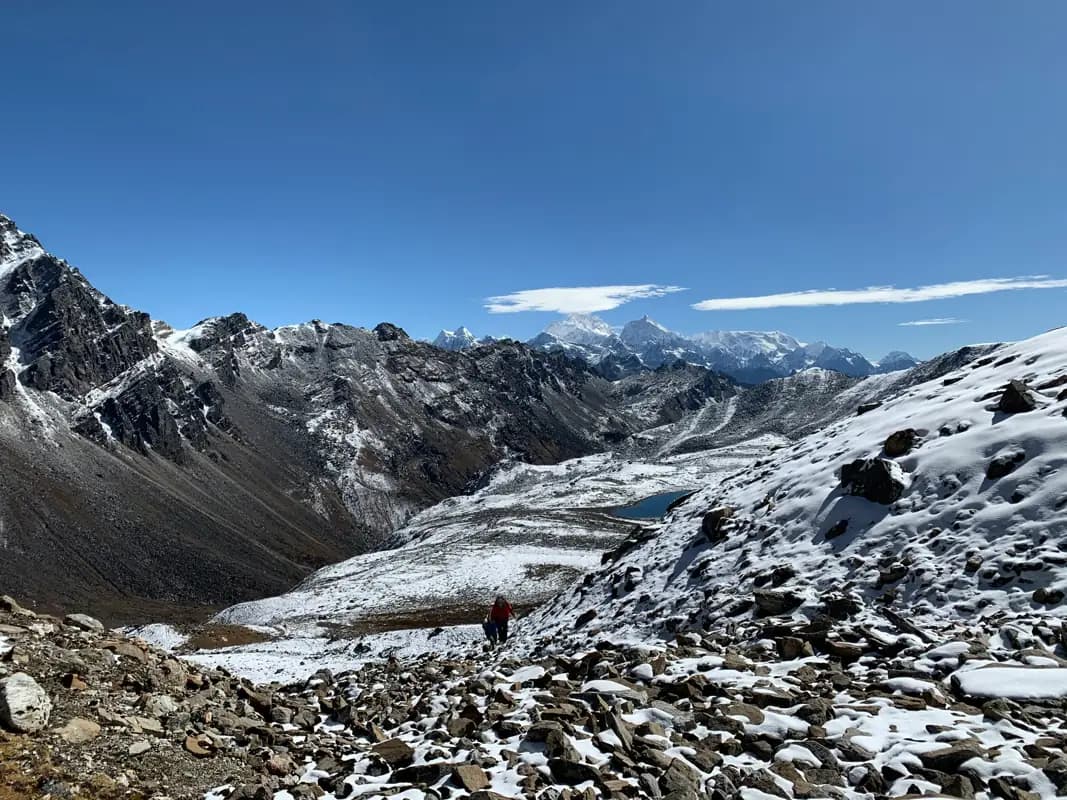
The Arun Valley Trek is a low-altitude traverse of eastern Nepal's middle hills, from the airstrip at Tumlingtar in the Arun valley to Lukla at the gateway to the Khumbu. Instead of heading north to Makalu, it turns west: through terraced farmland and paper-making villages, up to the forested Salpa Bhanjyang pass at about 3,350 m, and across a series of ridges and side valleys before joining the trail below Lukla.
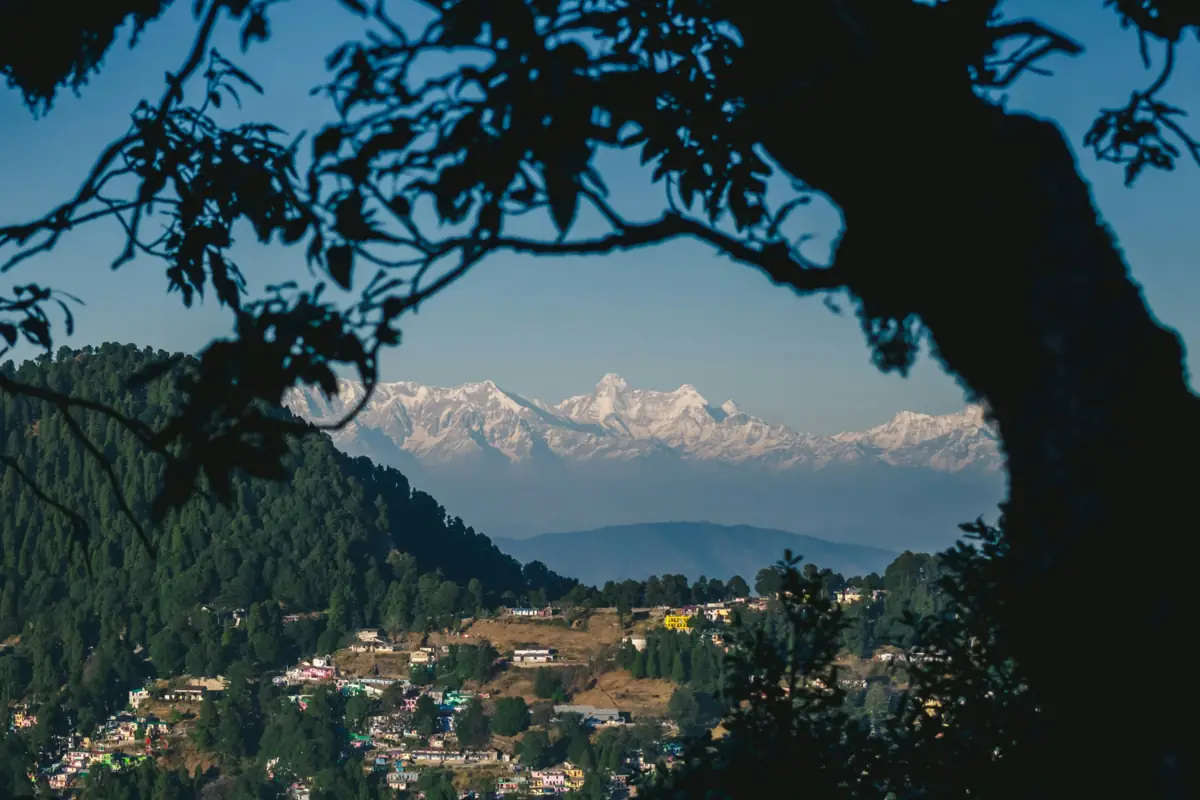
Most of the route stays between 1,000 and 3,000 m, so altitude is rarely the limiting factor. The effort comes from the terrain: long climbs and descents between river valleys, often on stone steps, with several passes around 3,000 m on the second half. Villages along the way are home to Rai and Sherpa communities, and much of the accommodation is in homestays and simple lodges rather than the busier teahouses of the Everest trails.
It suits trekkers who want a quiet, cultural route with mountain views rather than a high-altitude goal, and those who want to walk into the Everest region instead of flying straight to Lukla. Because it ends at Lukla, it can be extended up to Namche Bazaar or Everest Base Camp. Licence-verified guides you contact directly can suggest how to pace it and whether to continue into the Khumbu.
🌟 Trail Highlights
- Crossing Salpa Bhanjyang (about 3,350 m) through rhododendron forest
- The sacred Salpa Pokhari lake near the pass
- Hand-made paper villages around Dobani in the lower valley
- Rai and Sherpa villages such as Bung and Sanam, with homestay nights
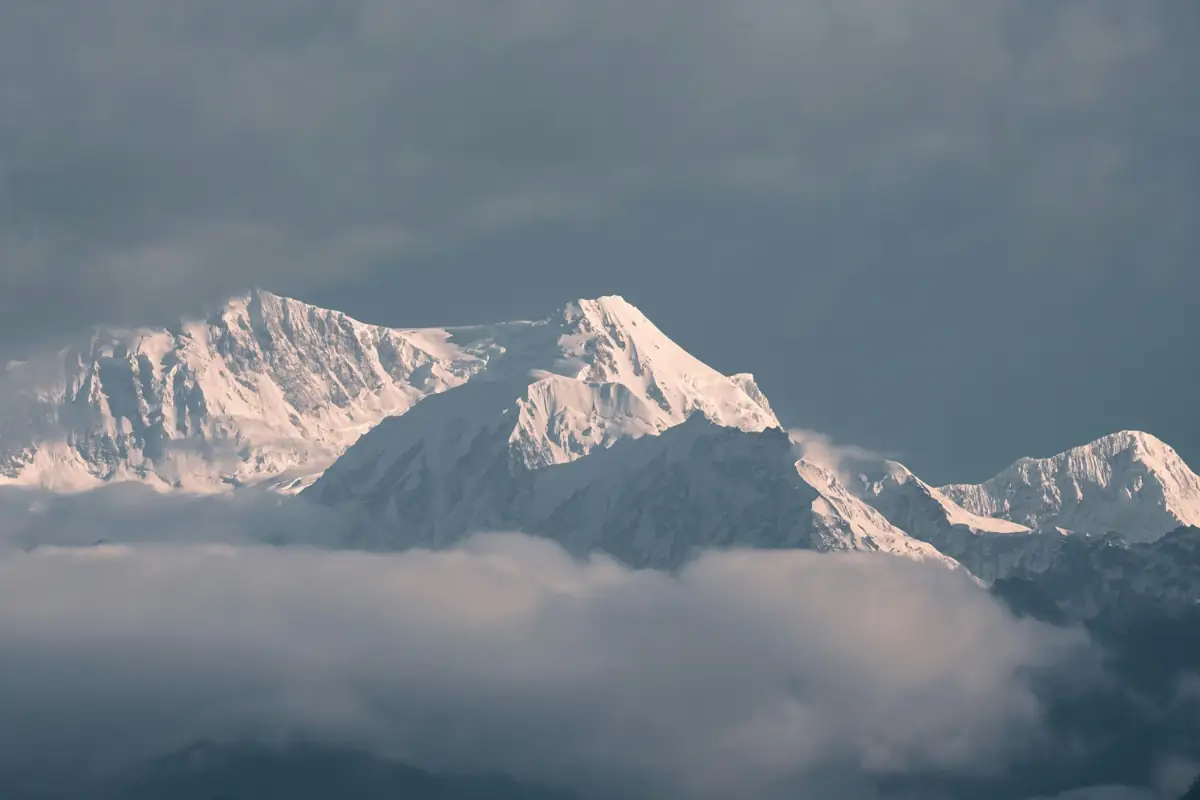
- Views of Mera Peak, Karyolung and Numbur from the ridges
- Walking into the Everest region and joining the trail below Lukla
Arun Valley Trek itinerary
- Day 1
Fly Kathmandu to Tumlingtar
A short flight east lands at Tumlingtar on a wide terrace above the Arun river. The rest of the day is free to settle in and walk around the bazaar.
- Day 2
Tumlingtar to Marduna
The trail leaves the Arun valley floor and climbs through farmland and scattered villages. It is a long first day, mostly uphill, with views back over the valley.
- Day 3
Marduna to Dobani
A day along and down to the Irkhuwa side of the hills. Dobani and the neighbouring villages are known for hand-made paper produced from local plants.
- Day 4
Dobani to Salpa Phedi
The route follows the river upstream past fields and waterfalls to Salpa Phedi, the village at the foot of the climb to the pass.
- Day 5
Salpa Phedi to Guranse
A steady climb through forest and barley fields to Guranse, a small settlement below the Salpa ridge. Rhododendron forest takes over as you gain height.
- Day 6
Over Salpa Bhanjyang to Sanam
A short climb reaches Salpa Bhanjyang, the highest point of the trek, with a side trail to the sacred Salpa Pokhari lake. The descent on the far side leads into Solukhumbu and the Sherpa village of Sanam.
- Day 7
Sanam to Bung
A long descent to the Hongu river and a climb up to Bung, a large Rai village spread across terraced slopes.
- Day 8
Bung to the monastery above Bung
A shorter day climbing above Bung to a small monastery and settlement on the ridge, which positions you for the next pass.
- Day 9
Over Surke La to Najing Dingma
The trail crosses Surke La, at roughly 3,070 m, through bamboo and rhododendron forest with mossy chortens, then drops to the clearing of Najing Dingma.
- Day 10
Najing Dingma to Pangkongma
A steep descent towards the Inkhu Khola and a climb over the Pangkongma La area to the village of Pangkongma, which has a school founded with Edmund Hillary's support.
- Day 11
Over Khari La to Paiya
A climb to Khari La, at about 3,075 m, brings the first views of the Khumbu peaks, then the trail descends to Paiya and joins the older trail from Jiri.
- Day 12
Paiya to Lukla
A final day through forest and past Chaurikharka's fields to Lukla. From here you can fly out or continue north into the Khumbu.
- Day 13
Fly Lukla to Kathmandu
An early flight back to Kathmandu. Mountain weather often delays Lukla flights, so keep a spare day before any onward travel.
This trek climbs above 3,000 m, where the pace of the climb matters. See our guide to altitude sickness on Nepal treks for how to prevent, spot and respond to it.
Best time to trek
The best months for the Arun Valley Trek are Feb–May, Oct–Dec.
- Jan
- Feb
- Mar
- Apr
- May
- Jun
- Jul
- Aug
- Sep
- Oct
- Nov
- Dec
How does it compare with other routes? See our month-by-month guide to trekking in Nepal.
Permits & costs
- Permit & park fees
- NPR 3,000 per person (≈ US$19)
- Guide day rates
- $30–$35 per day, set by the guides below
- Makalu-Barun National Park (NPR 3,000, about USD 19): the only entry fee this low route needs; the trail crosses the park's area around Bung on the way west from the Salpa Bhanjyang.
- TIMS card: the Arun Valley is not on the Nepal Tourism Board's list of routes that require a TIMS card and licensed guide; an agency may still issue one (NPR 2,000, about USD 13).
- If you carry on to Namche: beyond Lukla you enter the Khumbu, which adds the Sagarmatha National Park permit (NPR 3,000) and the Khumbu Pasang Lhamu municipality fee (NPR 3,000).
- No restricted-area permit is needed.
- Fees change; confirm current rates before you travel.
Every fee and rule, trek by trek: our guide to Nepal trekking permits. Which routes need a licensed guide: do you need a guide to trek in Nepal? What a day rate covers, tips and flights: how much a trekking guide costs in Nepal.
Getting there & back
This is a one-way traverse between two airstrips. You fly from Kathmandu to Tumlingtar (under an hour) to start, and finish at Lukla, the gateway to the Everest region, where you can fly back to Kathmandu or keep walking towards Namche Bazaar. Lukla flights are often held up by cloud, so plan a spare day at the end.
📸 Trail Checkpoints & Scenery Gallery

Arun Valley Trek FAQs
How is the Arun Valley Trek different from the Makalu Base Camp Trek?
Both start at Tumlingtar, but they go in different directions. Makalu Base Camp heads north up the Barun valley to nearly 4,900 m, while the Arun Valley Trek heads west through the middle hills, tops out around 3,350 m at Salpa Bhanjyang and ends at Lukla. It is a lower, cultural route rather than a high-altitude one.
Is altitude sickness a concern?
Much less than on the high treks. The highest point is about 3,350 m and you only spend one night near 3,000 m, at Guranse. Mild symptoms are still possible on the pass days, so drink plenty and tell your guide if you feel unwell.
Can I continue to Everest Base Camp?
Yes. The route joins the main trail near Lukla, and some itineraries carry on up through Namche Bazaar to Everest Base Camp, making a walk of three weeks or more. You would then need the Sagarmatha National Park permit and the Khumbu municipality fee, and time to acclimatise above Namche.
What is the accommodation like?
Mostly homestays and simple village lodges, with a few guesthouses near Lukla. Rooms are basic and meals are usually dal bhat and simple local dishes. It is quieter and less commercial than the Everest or Annapurna trails.
How fit do I need to be?
The route is rated moderate to challenging because of the constant climbs and descents between valleys, often on stone steps. Days are around four to six hours. Previous multi-day hiking helps more than altitude experience.
When is the best time to go?
Spring (February to May) and autumn into early winter (October to December) give the clearest weather. Because the route stays low, it is walkable over a longer season than the high passes, but the monsoon months make the trails slippery and leech-prone.
Which permits do I need?
Plan on the Makalu-Barun National Park permit (NPR 3,000). The Arun Valley is not on the Nepal Tourism Board's list of routes that require a TIMS card, though an agency may issue one. If you continue past Lukla into the Khumbu, add the Sagarmatha National Park permit and the Khumbu municipality fee.
Guides who lead the Arun Valley Trek
Every one of them is licence-verified by our compliance team. Open a profile to read about them, then send your dates — they reply to you directly with their own price.
Guides On
Languages
Guides On
Languages
More guides working in Makalu
These guides haven't listed the Arun Valley Trek specifically, but they work this region — ask them whether they lead it.